
This post may contain affiliate links. I may earn a commission from qualifying purchases.
Crispy Rice with Lobster, Caviar and Truffle Aioli
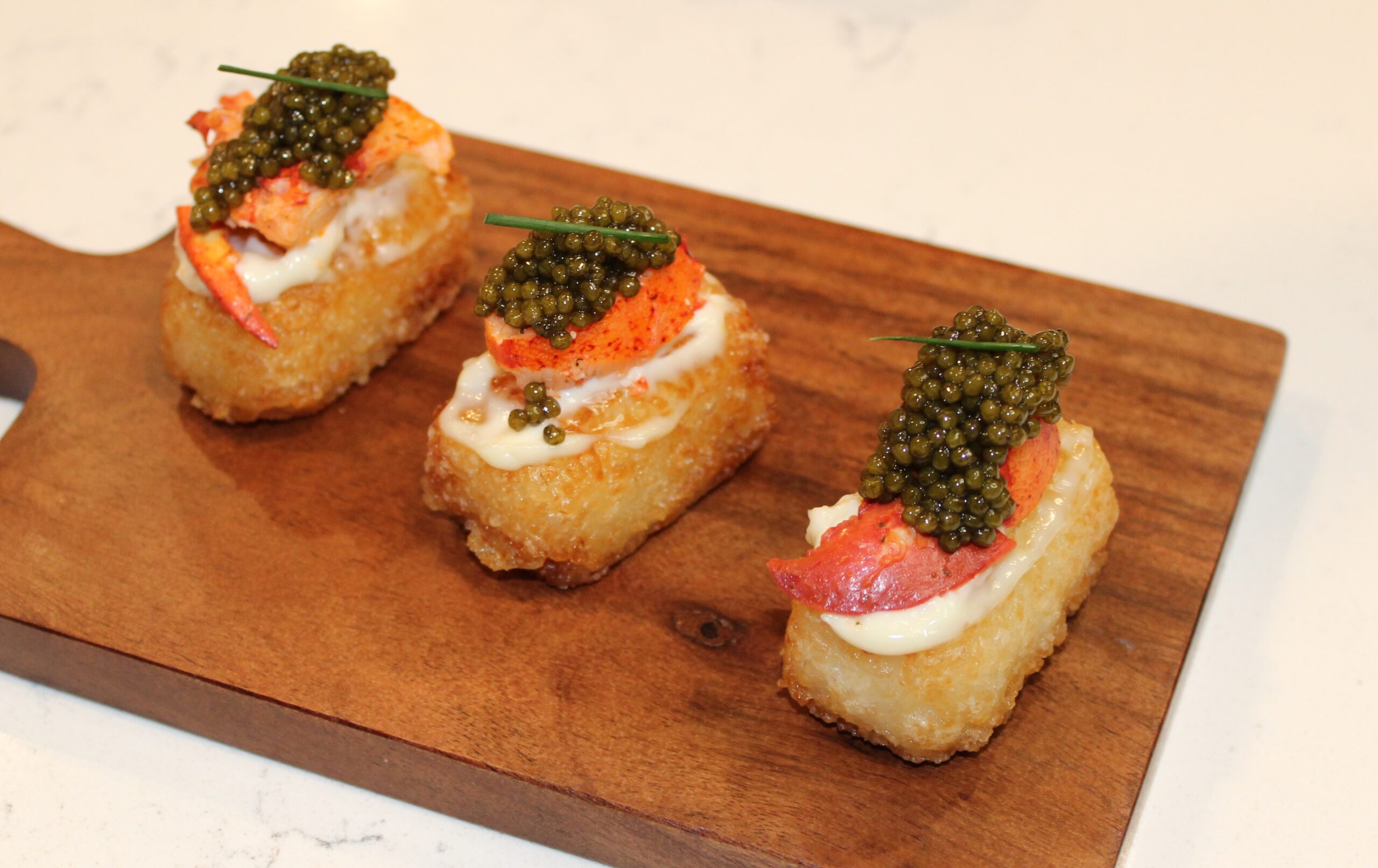
When you want to put out an appetizer that turns heads, this one gets it done. Golden, crispy sushi rice topped with buttery lobster, smooth truffle aioli, and a touch of Royal Osetra caviar — it’s rich, clean, and balanced in a way that makes people stop talking the second they take a bite. It’s one of those dishes that looks high-end but can absolutely be pulled off at home with a little planning and the right prep flow.
I like to think of this recipe as my go-to when I want to serve something that feels like an experience. It’s not your average appetizer. Every part of it brings a different texture and flavor: the crunch of the rice, the delicate lobster, the silky aioli, and the salty pop of the caviar. When those come together, it feels like restaurant-level quality — the kind of bite you’d expect to get at a high-end sushi bar or a chef’s tasting menu.
The perfect holiday or special-occasion dish
This recipe fits right into any upscale dinner or celebration. It works for holidays like Thanksgiving or Christmas, New Year’s Eve, date nights, or family gatherings where you want to put something impressive on the table without spending all night cooking. It’s fancy, but it’s not complicated. You can prep the rice in advance, use pre-cooked lobster if you’re short on time, and assemble everything right before serving.
People always notice the presentation first — small golden squares of crispy rice topped with the lobster, aioli, and caviar. They look clean, organized, and professional. But what really sells it is how good they taste. The bite starts with that deep crunch from the fried rice, then shifts into rich buttered lobster, followed by the earthy truffle and the subtle salt from the caviar. It’s layered, balanced, and full of flavor without ever feeling heavy.
Why the caviar matters
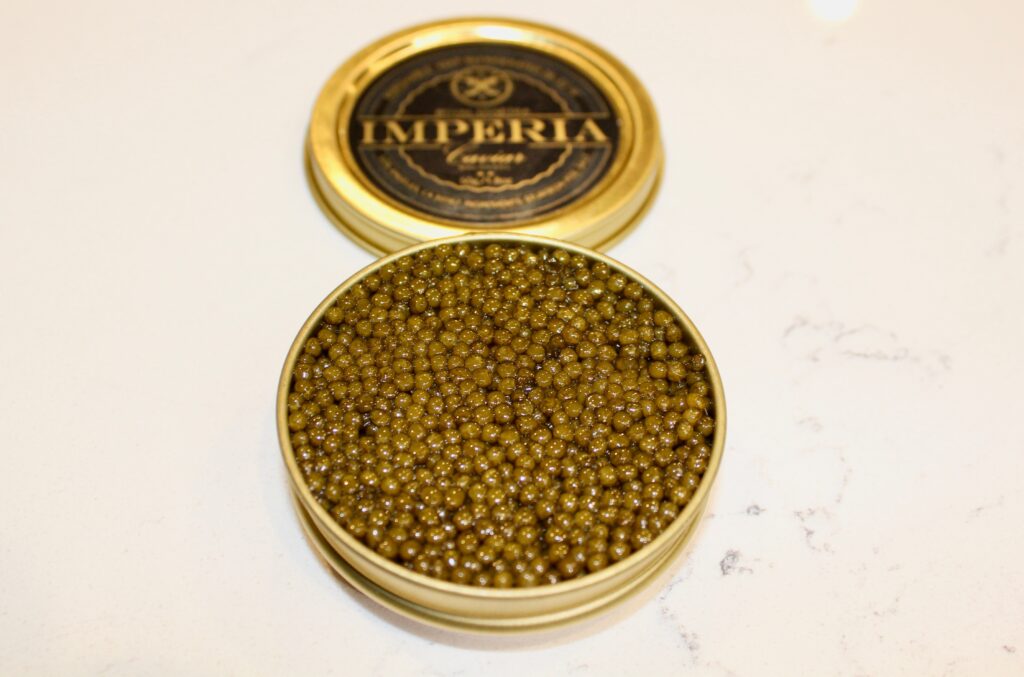
For the topping, I like using Royal Osetra caviar — one of the best varieties out there. It comes from the Osetra sturgeon and is known for its firm texture and smooth, buttery flavor. The taste has that slightly nutty richness that works perfectly with lobster. It’s not cheap, but you don’t need much — just a small spoon on top of each piece makes the whole dish stand out. You can think of it like the finishing touch that ties everything together.
If you can’t find Royal Osetra, Golden Osetra or any high-quality caviar will work fine. The main goal is to add that subtle briny finish, not overpower the other ingredients. It’s about balance — the sweetness of the lobster, the crunch of the rice, and the salt from the caviar all playing off each other.
Getting the lobster right
For the lobster, fresh is always best. If you’ve got access to live lobster, boiling and cracking it yourself gives you unbeatable flavor and texture. The meat stays tender, buttery, and naturally sweet. But pre-cooked or frozen lobster works perfectly well too. Most grocery stores carry solid options that save time and cleanup.
Once the meat is cooked, I toss it in a pan with melted butter, lemon juice, and a touch of dill. The goal isn’t to cook it again — just to coat it and bring the flavor together. You’ll taste the butter and lemon in every bite, and it pairs perfectly with the truffle aioli and caviar that follow.
The crispy rice — the foundation of the dish
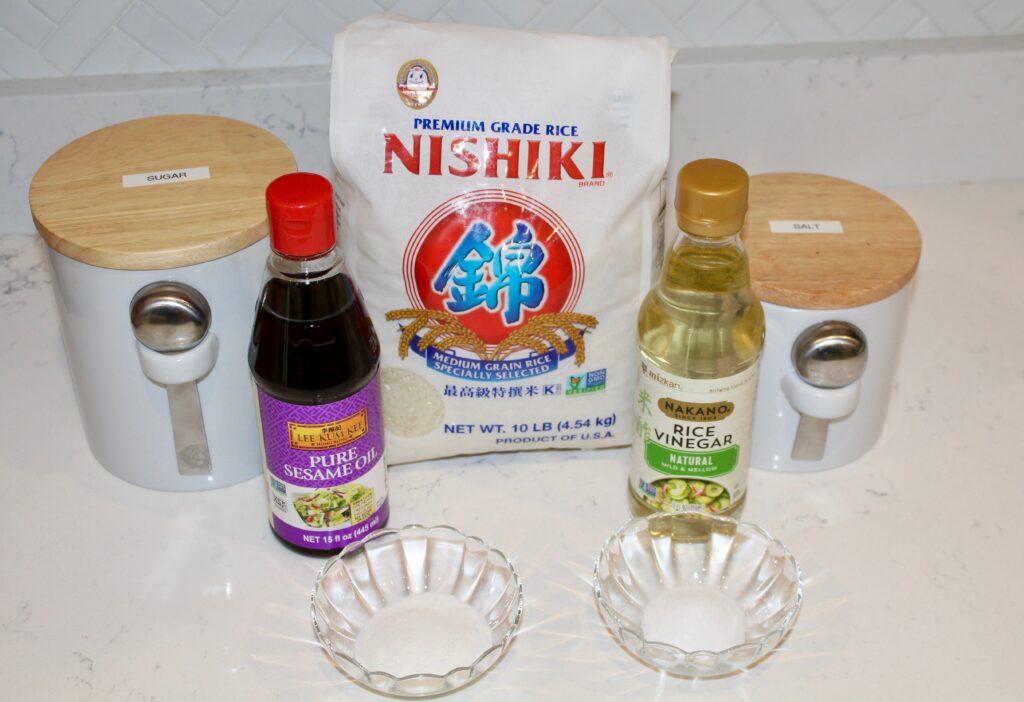
The rice is what makes this whole appetizer come alive. It’s got to be crispy enough to hold the toppings but still soft inside. Sushi rice works best because of the natural starch content. After rinsing it until the water runs clear, I cook it with a little salt and then season it with rice vinegar, sugar, and sesame oil. That combination gives it flavor and helps it fry evenly later on.
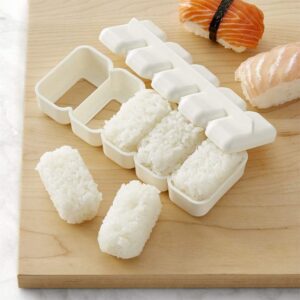
Once the rice is seasoned, shaping it is key. I use a crispy rice mold — basically a small nigiri-style mold that keeps each piece uniform in size. It helps everything fry evenly and gives the final platter a clean, professional look. I fill the mold just below the top so the pieces don’t end up too thick, then chill them for about an hour to firm them up before frying.
If you don’t have a mold, you can spread the rice out on a lined tray, press it flat, chill it, and cut it into squares. It’s not as exact, but it still works. The main thing is getting the rice cold so it holds together in the oil.
When frying, I use canola oil heated to around 350°F. Enough oil to submerge the rice completely gives the best result — even color, even crispiness, and no burnt edges. You’ll know they’re ready when they’re a deep golden brown and sound crisp when tapped with a spoon. Drain them on paper towels and let them rest for a few minutes before topping.
Make-ahead tips and workflow
If you’re doing this for a dinner party or event, the best way to stay organized is to prep the rice first. While that’s cooking, get the lobster water boiling, prepare your rice seasoning mix, and pull together the aioli ingredients. By the time the rice is ready, your lobster will be cooked and cooling, and the aioli will be resting in the fridge. Everything flows smoothly when you follow that order.
You can also make and freeze the molded rice ahead of time. They fry up just as well from frozen — just check that the centers are hot before plating. That trick saves a ton of stress if you’re hosting or prepping multiple courses.
The finishing touches
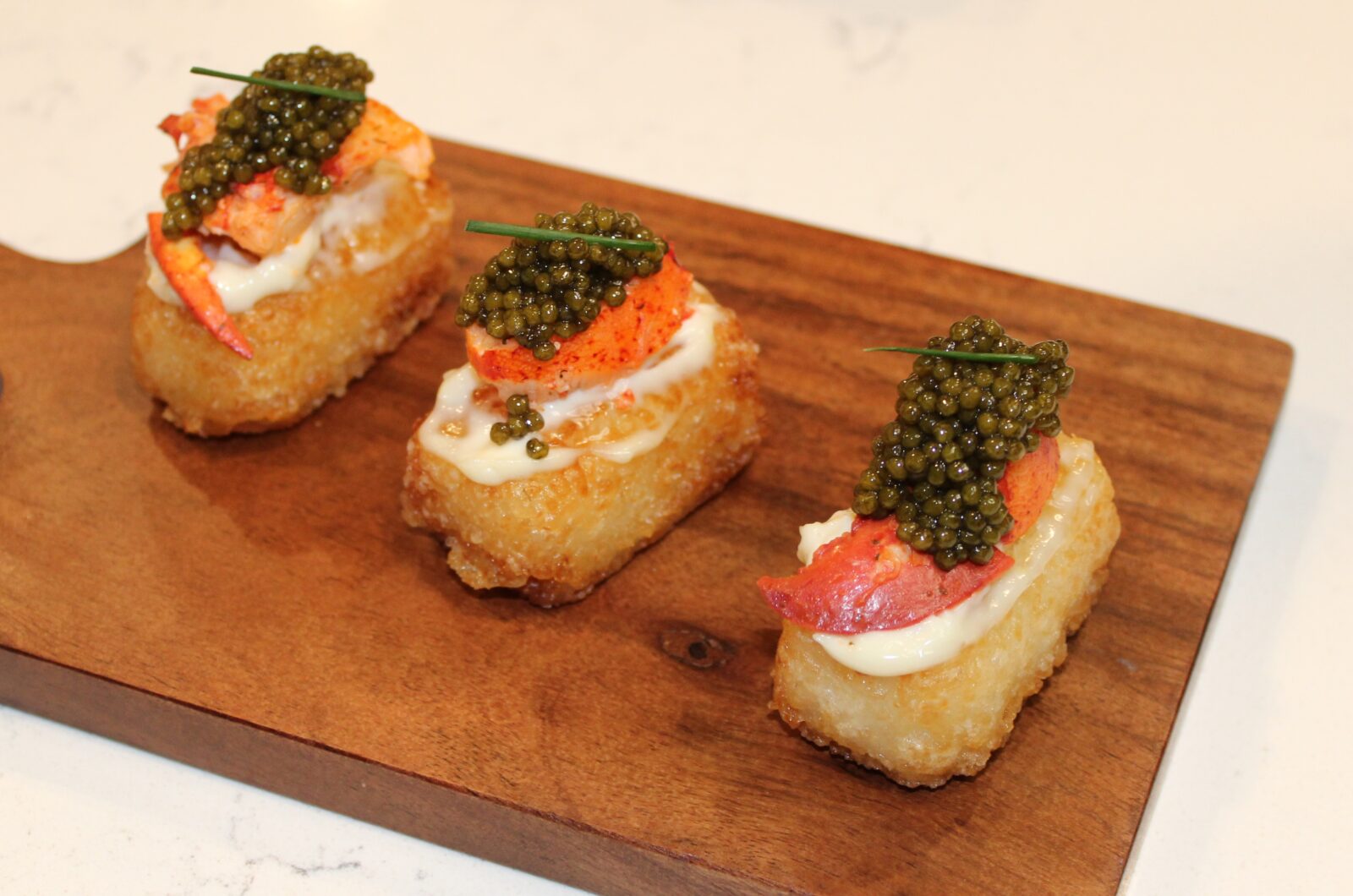
Once everything’s ready, assembly is fast. You take the crispy rice pieces, add a small dollop of truffle aioli, top with the buttered lobster, and finish with a spoon of Royal Osetra caviar and a sprinkle of finely cut chives. It’s simple but looks and tastes refined.
When people take that first bite, they get everything — the crunch, the butter, the truffle, the salt, and that subtle ocean flavor from the caviar. It’s a bite that hits every note without being too much of anything.
This recipe is built for the moments you want to serve something that feels special. It’s elegant, flavorful, and worth every minute of prep. Once you make it, it becomes one of those signature dishes that everyone remembers.
(Note: This recipe can easily be made dairy-free by swapping the butter for a plant-based version when cooking the lobster.)
Crispy Rice with Lobster, Caviar and Truffle Aioli
25
minutes25
minutes1
hour30
minutesIngredients
For the crispy rice:
1 ½ cups 354.88 ml sushi rice, rinsed until water runs clear
2 cups 473.18 ml water
1 tsp 6 g salt
3 tbsp 44.36 ml rice vinegar
1 tbsp 12 g sugar
1 tsp 4.93 ml sesame oil
4 cups 4-6 canola oil (for frying)
1 1 Crispy rice mold (recommended)
For the lobster:
1 1 whole lobster (1–1.25 lbs) or 6 oz pre-cooked lobster meat
2 tablespoons 28 g butter (or dairy-free butter)
Juice from 1/2 a lemon
¼ tsp 1.23 ml dill
For the truffle aioli:
½ cup 118.29 ml mayonnaise
1 clove 1 clove garlic, finely grated or minced
½ tsp 2.46 ml truffle oil
1 pinch 1 salt
1 Pinch 1 Pinch lemon zest
For topping:
1 oz 28.35 g caviar (Royal or Golden Osetra recommended)
1 tsp 6.16 ml fresh chives, cut into 1/4 -inch pieces for garnish
Directions
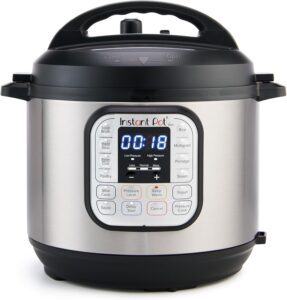
- Rinse your sushi rice several times until the water runs clear. Add it to your Instant Pot or rice cooker with 2 cups of water and salt. Cook on the Rice setting (12 min pressure cook).
- While the rice is cooking, whisk together the rice vinegar, sugar, and sesame oil in a small bowl.
- Once the rice is done, do a quick pressure release and remove the lid. Pour the rice vinegar mixture over the rice and gently fold it in. Let the rice cool slightly before shaping.
- Line your work surface with parchment paper. Using a crispy rice mold, press the rice into the mold, filling it a little below the top. Press the lid on and release the molded pieces onto your tray.
- Chill them in the fridge for at least 1 hour or in the freezer for 45 minutes before frying.
- If you don’t have a mold, line a baking sheet with plastic wrap, spread the rice evenly, cover with parchment paper, and chill until firm. Then cut it into squares before frying.
- In a small bowl, whisk together mayonnaise, garlic, truffle oil, and lemon zest until smooth. Cover and refrigerate while you prepare the lobster.
- Bring a large pot of salted water to a boil. Once it’s at a rolling boil, carefully lower in your lobster and cook for 11–13 minutes, depending on size.
- Transfer to an ice bath to stop the cooking process. Once cooled, remove the meat and cut it into bite-sized pieces.
- In a small pan over low heat, melt the butter. Add the lemon juice and dill. Toss in the lobster meat and stir for 1–2 minutes, just until coated — not cooked further. Remove from heat and set aside.
- Heat canola oil in a pan or pot to 350°F.
- Add the rice pieces in batches and fry until golden and crisp on both sides. Remove and drain on paper towels. If frying from frozen, check the center with a thermometer to ensure they’ve warmed through.
- Just before serving, open your tin of caviar and finely chop the chives into ¼-inch pieces for garnishing.
- Lay the crispy rice pieces on a serving platter. Add a small dollop of truffle aioli, a bite of lemon-dill lobster, and a spoon of Royal or Golden Osetra caviar. Garnish with a ¼-inch piece of chive for a clean, elegant finish.
Equipment
Recipe Video
Did you make this recipe?
Tag @calebs.cuisine on Instagram
Join our Facebook Group!
Follow Caleb’s Cuisine on Facebook


