
This post may contain affiliate links. I may earn a commission from qualifying purchases.
Thumbprint Cookies
What Are Thumbprint Cookies?
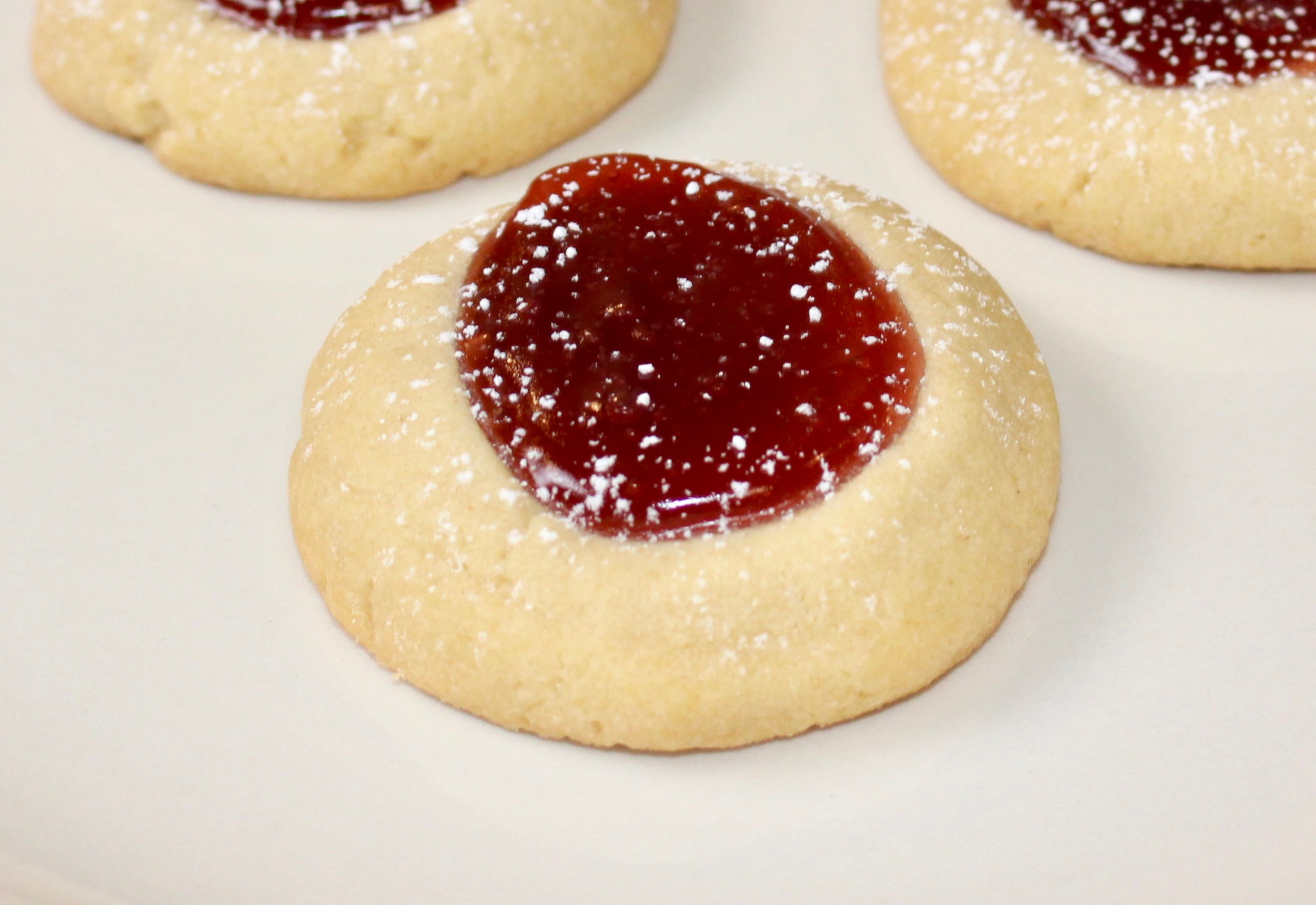
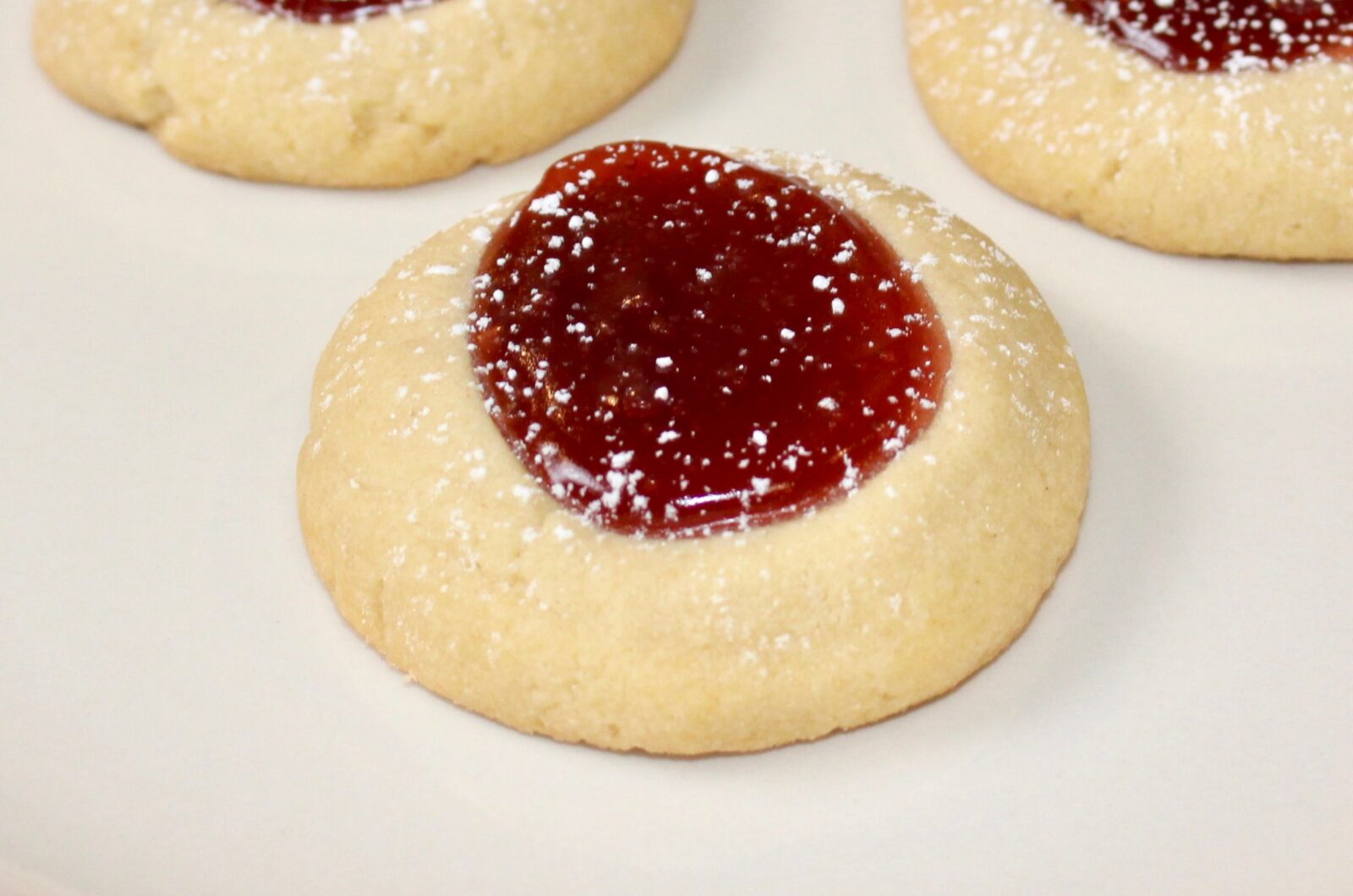
Thumbprint Cookies are one of the most reliable and recognizable cookies you’ll find on any Christmas or holiday dessert spread. They’re buttery, soft, lightly golden, and always finished with a bold, bright center. Their design is simple: a round cookie with a small cavity in the middle filled with jam or another sweet filling. But what makes these cookies iconic is the technique that gives them their name — pressing a thumb right into the dough. That move is the signature of this cookie, and it transforms a basic dough ball into something festive and handcrafted.
They are visually impressive without needing any complicated decorating tools or detailed icing work. You get a cookie that looks polished simply from baking it the correct way. They’re nostalgic, approachable, and consistently one of the first cookies people grab from a tray because the contrast of jam against a snowy powdered-sugar finish just pulls you in.
History of Thumbprint Cookies
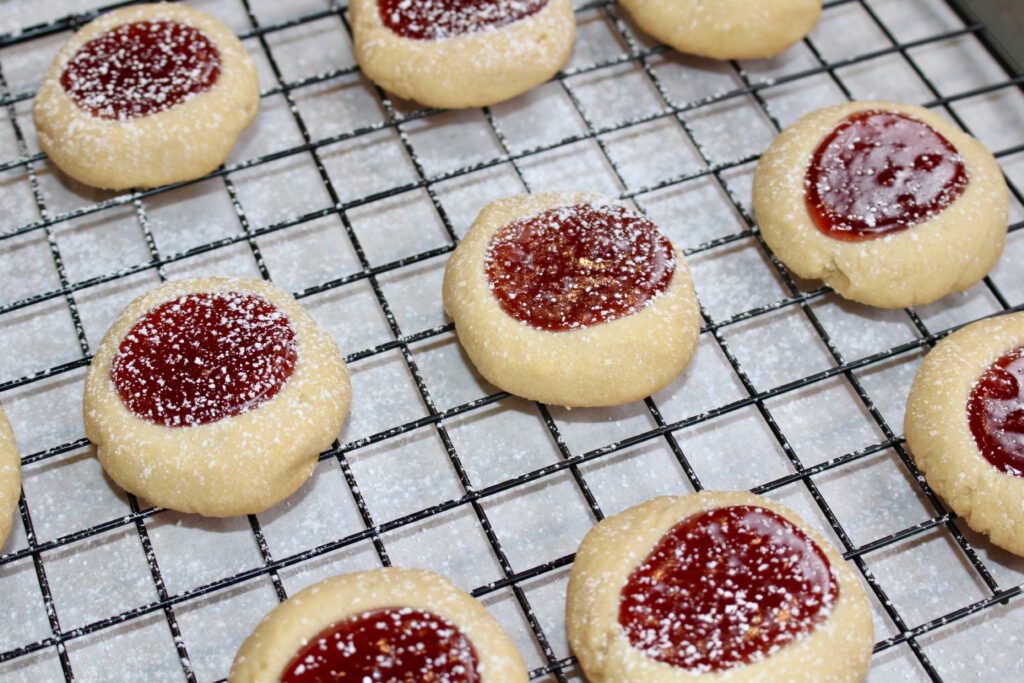
Thumbprint Cookies trace back to Sweden, where they are known as “Hallongrotta,” meaning “raspberry cave.” The method of pressing a well into the dough using a thumb has been around for generations. The idea of a butter-based dough holding a small portion of preserved fruit was practical, delicious, and visually distinct. As baking traditions traveled, the cookie evolved into various regional variations throughout Europe — sometimes filled before baking, sometimes after.
By the time they made it into American holiday culture, the concept had solidified: buttery dough, small indentation, filled center. Many people associate them with family traditions because they’ve been in holiday cookbooks for decades. Even if someone didn’t grow up making them, the cookie gives off the vibe of a passed-down household staple.
Technique Notes: Shape, Structure & Timing
The dough for Thumbprint Cookies is similar to a shortbread — rich with butter and soft once baked. Creaming the butter and brown sugar aerates the dough so that it stays light instead of dense. Only one egg yolk is used, which keeps the cookie tender while preventing a crumbly texture.
The most important technique is the two-stage bake:
- The dough balls bake briefly to set structure
- Then you press the thumbprint indentation and add filling
- The cookies go back into the oven to finish
Skipping the pre-bake step can cause the cookies to flatten or lose their center indentation. This small adjustment ensures the cookies maintain their shape and finish with clean edges.
Flavor and Ingredient Breakdown
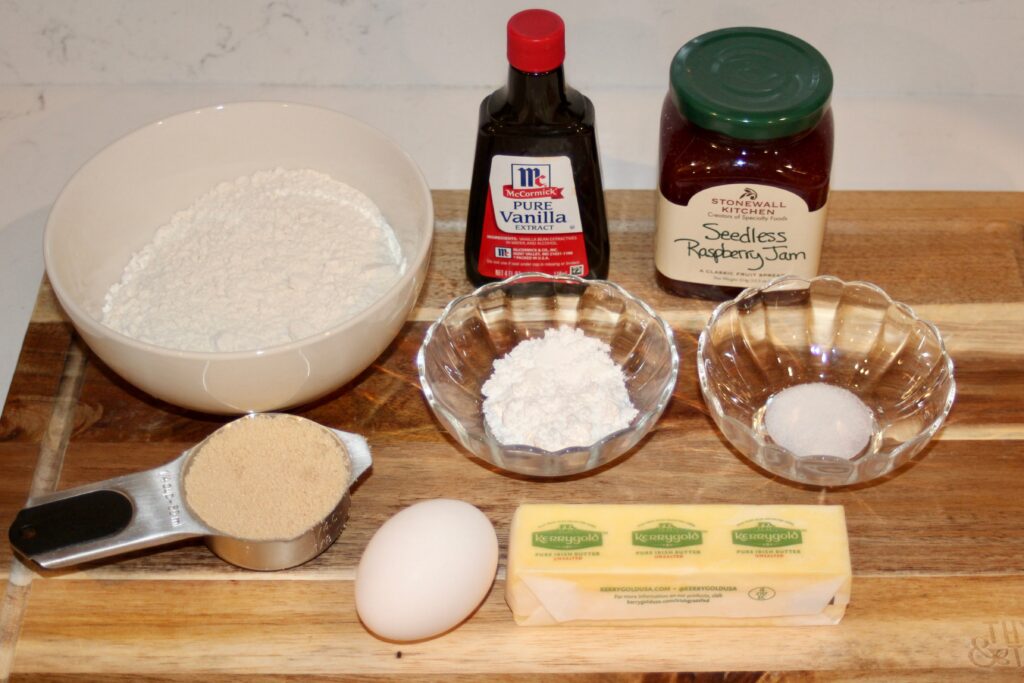
Every ingredient has intention and impact:
• Butter supplies richness and the melt-in-the-mouth texture
• Brown sugar adds moisture and subtle caramel depth
• Egg yolk helps keep the center soft instead of dry
• Vanilla rounds out flavor and warmth
• Filling adds brightness, sweetness, and color contrast
These cookies work with a wide range of fillings — fruit jam (strawberry, blackberry, blueberry, etc.), lemon curd, chocolate spread, caramel, or even a thick ganache. If you’re using jam, choose a high-quality one with good texture. Stonewall Kitchen makes consistently excellent jams — balanced sweetness, real fruit flavor, and strong structure that holds in place during baking.
Presentation and Decoration Tips
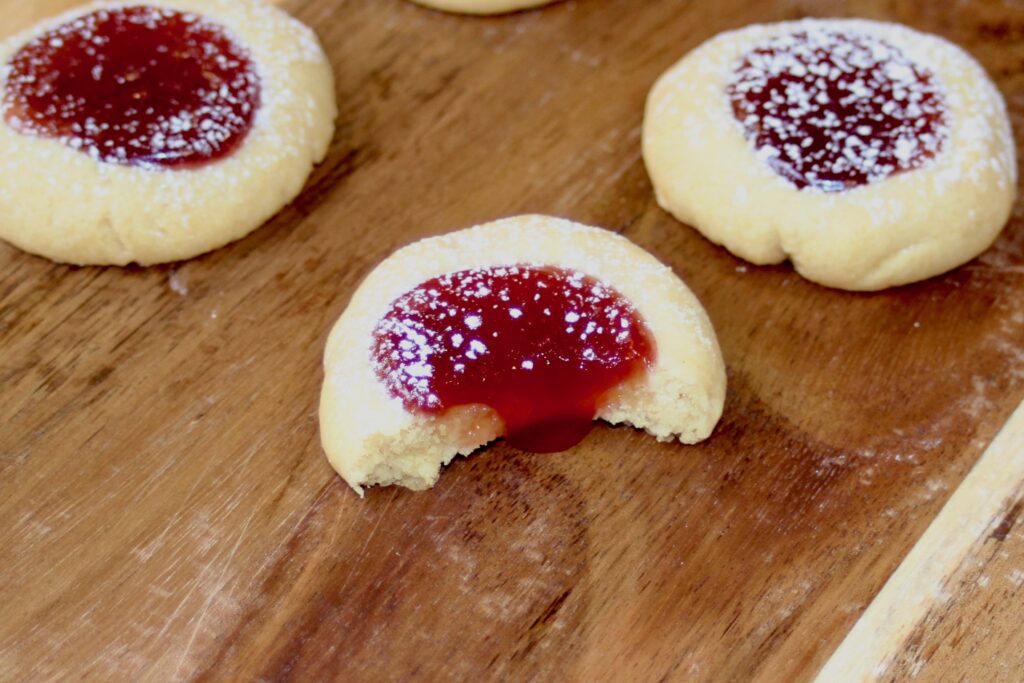
A light snowfall of powdered sugar brings these from basic to holiday-ready. To do it properly: place powdered sugar into a fine mesh strainer and gently tap or flick the strainer to evenly dust the cookies. This prevents clumping and keeps the filling visible as the center attraction.
These cookies are standouts on:
• Holiday cookie trays
• Dessert boards
• Office party platters
• Wrapped gifting assortments
• Cookie exchanges
Kid-Friendly & Interactive
This recipe invites hands-on involvement. Kids love rolling the dough and pressing the thumbprint — and even adults like the tactile feel of shaping these. It’s a cookie that lets every person literally leave their mark. And if someone wants to take it up a level, they can press twice at slight angles to create a heart-shaped cavity before adding filling. It’s still simple, but it adds personality to each cookie.
Tradition and personalization — all in one bake.
Tips for a Perfect Bake
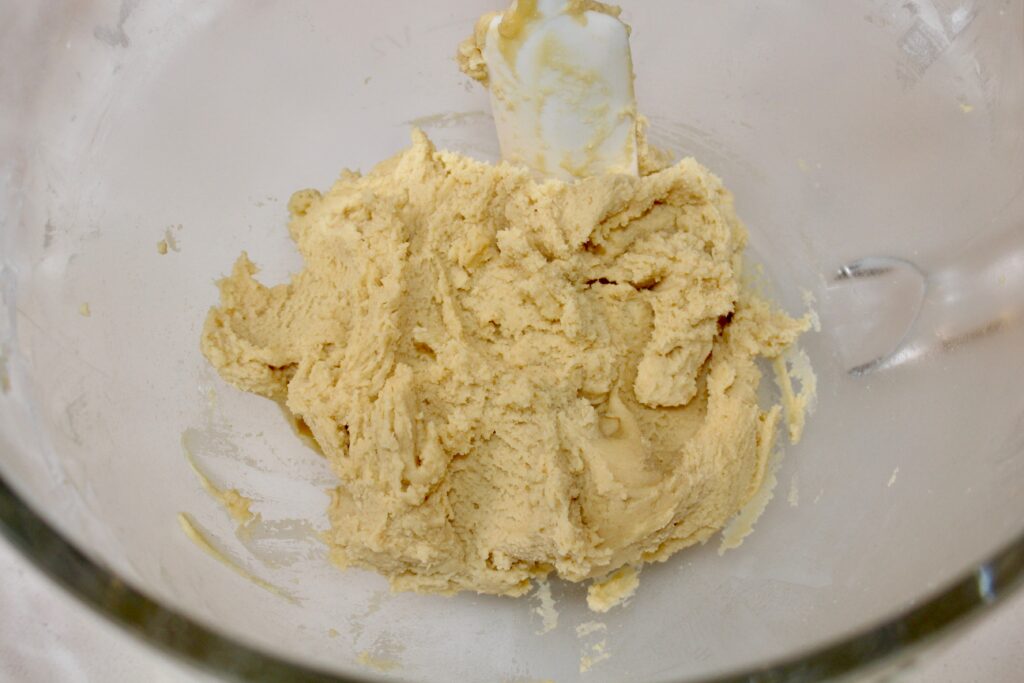
• Do not over-mix the dough — stop as soon as the flour disappears
• Keep dough balls uniform in size for even baking
• Chill dough if it feels too soft to shape
• Use only a small amount of filling — too much causes overflow
• Watch the edges — light browning means they’re done
• Let them cool before dusting with powdered sugar
This is the difference between a cookie that spreads flat and one that stays perfectly domed with a defined center.
Why You’ll Love These Thumbprint Cookies
These cookies are the perfect combination of tradition, simplicity, and flavor. They deliver buttery richness without needing complicated decorating or prep work. They look great, taste even better, and give everyone a chance to get involved in the baking process. They fit every setting — gifting, hosting, sharing, or keeping all to yourself. They are exactly what a holiday cookie should be: a quick-to-make classic that people remember long after the tray is empty.
Thumbprint Cookies
15
servings15
minutes15
minutes30
minutesIngredients
1 cup 1 all-purpose flour
¼ tsp ¼ salt
½ cup ½ unsalted butter, softened
¼ cup ¼ packed brown sugar
1 large 1 egg yolk
½ tsp ½ vanilla extract
Raspberry jam (desired amount per cookie)
Powdered sugar (optional, for finishing)
Directions
- Preheat oven to 350°F. Line a baking sheet with parchment paper.
- Cream together the butter and brown sugar until light and fluffy, scraping the bowl as needed.
- Mix in the egg yolk and vanilla.
- Whisk the flour and salt together, then add it into the butter mixture and stir until the dough comes together.
- Roll dough into 1-inch balls and place them about 2 inches apart on the baking sheet.
- Bake for 5 minutes, then remove from the oven.
- Press your thumb gently into the center of each cookie to form a well (optional: press twice at slight angles to create a heart-shaped indentation).
- Spoon the desired amount of raspberry jam into each cavity.
- Return to the oven and bake an additional 12–15 minutes, or until the edges are lightly golden.
- Cool completely on a wire rack. If desired, place powdered sugar in a fine strainer and lightly flick it over the tops for an even, snowy finish.
Recipe Video
Did you make this recipe?
Tag @calebs.cuisine on Instagram
Join our Facebook Group!
Follow Caleb’s Cuisine on Facebook


