
This post may contain affiliate links. I may earn a commission from qualifying purchases.
The Luxury of Caviar: A Guide to the World’s Most Coveted Delicacy
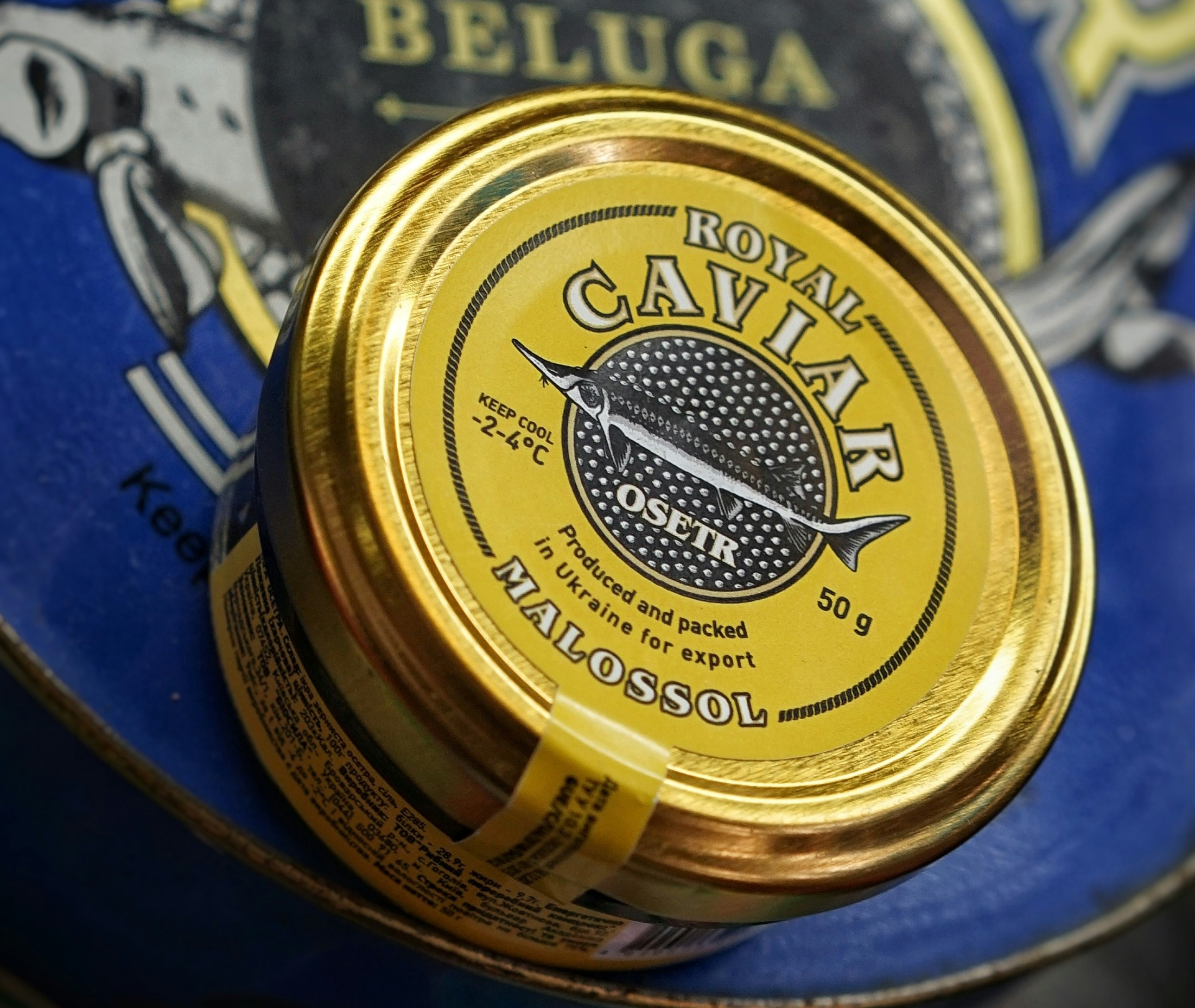
Discover the history, types, and price points of caviar — from beluga to golden osetra. Learn why it’s so expensive, how it’s served, and why golden osetra with lobster (and even a caviar bump) is one of my favorite indulgences.
What is Caviar?
Caviar is one of the world’s most luxurious delicacies. At its simplest, it’s salted, cured roe (fish eggs) — but true caviar only comes from sturgeon. These ancient fish have been around for over 200 million years, and their roe has been prized for centuries for its briny, buttery flavor and delicate texture.
How Caviar Became a Delicacy
While fish roe has been eaten since ancient times, caviar became synonymous with luxury in 17th- and 18th-century Russia, where it was served at royal banquets. From there, it spread across Europe and eventually the world, becoming a fixture of fine dining and high-end celebrations. Today, it still holds its place as one of the most iconic gourmet foods.
Why is Caviar So Expensive?
Caviar’s high cost comes down to a few key factors:
- Time – Sturgeon take anywhere from 8 to 20 years to mature and produce roe.
- Skill & labor – Harvesting, curing, and grading the eggs requires precise craftsmanship.
- Rarity – Many sturgeon species are endangered, limiting supply.
- Flavor complexity – Like wine, subtle differences in species, region, and season make each harvest unique.
All of this makes caviar not just food, but an experience.
The Main Types of Caviar
Caviar comes in a range of varieties, each with its own flavor profile, size, and price point:
- Beluga – Famous for its large, delicate pearls and buttery flavor. Extremely rare today due to overfishing.
- Osetra – Medium-sized eggs with colors ranging from golden to brown. Nutty, rich, and one of the most popular choices.
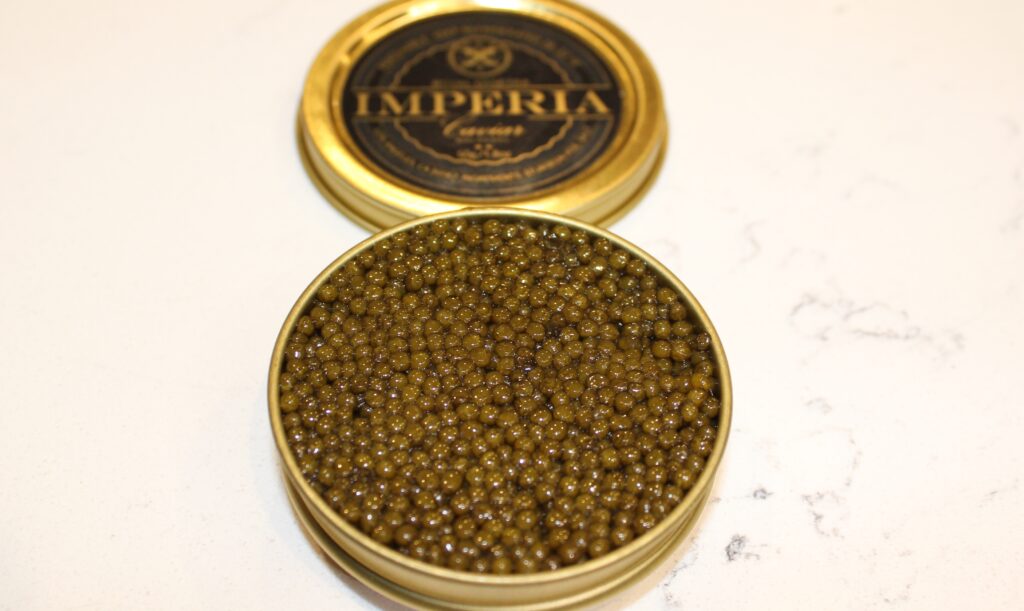
- Golden Osetra – A rare, beautiful golden hue with a deep, luxurious flavor. My personal favorite.
- Sevruga – Smaller eggs with a stronger, brinier taste. Often more affordable than beluga or osetra.
- Siberian Sturgeon – Smooth and slightly earthy; widely produced in sustainable farms.
- Kaluga Hybrid – Large pearls with a buttery flavor, often compared to beluga at a lower cost.

Caviar Price Points
Depending on the type, region, and rarity, prices can vary widely:
- Sevruga / Siberian Sturgeon – $50–$150 per ounce
- Osetra – $100–$300 per ounce
- Golden Osetra – $300–$500 per ounce
- Beluga / Hybrids – $400–$600 per ounce
- Almas Caviar (albino beluga) – The rarest and most expensive in the world, sold in gold tins and costing upwards of $25,000 per kilogram.
Regions and Sturgeon Origins
Traditionally, the Caspian Sea was the epicenter of caviar, with Russia and Iran producing the most prized varieties. Today, sustainable farming has expanded production around the globe:
- Russia & Iran – Known for classic Caspian caviar (beluga, osetra, sevruga).
- China – Now one of the largest producers, specializing in Kaluga and hybrids.
- Europe (France, Italy, Germany) – Acclaimed for sustainable aquaculture and osetra varieties.
- United States – California and New York are rising producers of farmed caviar.
How Caviar is Traditionally Served
Caviar is typically enjoyed simply, to let the flavor shine. Common pairings include:
- Blini (small pancakes)
- Crème fraîche
- Chopped eggs and chives
- Toasted bread or crackers
It’s eaten with a spoon made of mother-of-pearl, bone, or wood — never metal, which can alter the taste.
My Personal Experience with Caviar
While I love traditional caviar service, I’ve also come to enjoy it in more modern, playful ways. One of my favorite luxuries is topping lobster with golden osetra caviar. The richness of the lobster and the briny, nutty pop of caviar is an unforgettable pairing — indulgent, elegant, and worth every bite.
Caviar bumps — the newer trend where you place a spoonful of caviar directly on the back of your hand and taste it straight. It’s pure, unfiltered caviar flavor, and honestly, it’s a fun, shareable way to experience the delicacy with friends.
One of the greatest food memories of my life involves Golden Osetra Caviar. I had it served over a rich mushroom and shallot duxelles, laid on toasted brioche, alongside A5 Wagyu. The combination was so decadent, so perfectly balanced, that it remains one of the best things I’ve ever eaten.
Caviar isn’t just about indulgence — it’s about the moment, whether around the table, on top of lobster, or in a quick bump before a toast.
Final Thoughts
Caviar is more than just fish eggs. It’s a delicacy built on centuries of tradition, rarity, and craftsmanship. From Caspian beluga to golden osetra, every type has its own story, flavor, and occasion.
So whether you’re enjoying it on blinis, passing around a tin at a party, or treating yourself to a lobster roll topped with caviar, it’s always more than a meal — it’s an experience.

